
Ho Chi Minh City, formerly known as Saigon, is a vibrant metropolis that pulses with energy and culinary delights. When travelers search for “best Vietnamese food in Ho Chi Minh,” they’re embarking on a journey through one of Southeast Asia’s most exciting food destinations. This dynamic city offers an incredible fusion of traditional Vietnamese cuisine and modern culinary innovations, making it a paradise for food enthusiasts from around the world.
From the bustling streets filled with sizzling woks to elegant restaurants serving refined interpretations of classic dishes, Ho Chi Minh City presents an unparalleled gastronomic experience. The city’s food scene reflects its rich history, blending French colonial influences with authentic Vietnamese flavors and international culinary trends. Whether you’re a first-time visitor or a seasoned traveler, discovering the best Vietnamese food in Ho Chi Minh requires understanding both the iconic dishes that define the cuisine and the hidden gems that locals cherish.
This comprehensive guide will take you through the essential Vietnamese dishes you must try, reveal the best places to experience authentic flavors, and provide insights into the cultural significance behind each culinary creation. From humble street food to sophisticated dining experiences, we’ll explore what makes Ho Chi Minh City’s food scene truly exceptional and help you navigate your way to the most memorable meals during your visit.
Có thể bạn quan tâm: Từ Đà Nẵng Đến Hội An Bao Nhiêu Km? Hướng Dẫn Di Chuyển Tiết Kiệm Và Tiện Lợi
Essential Vietnamese Dishes You Must Try in Ho Chi Minh City
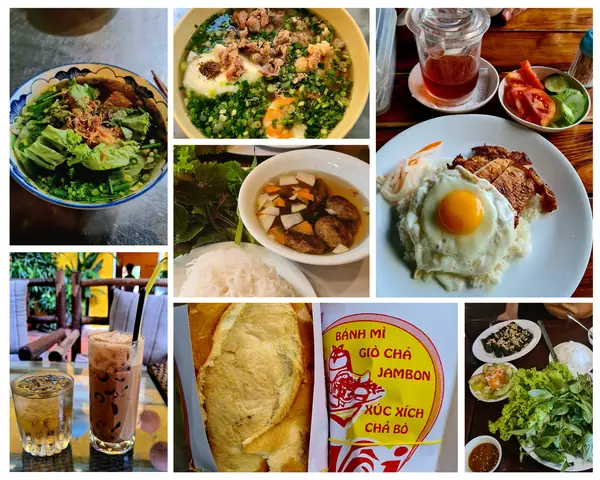
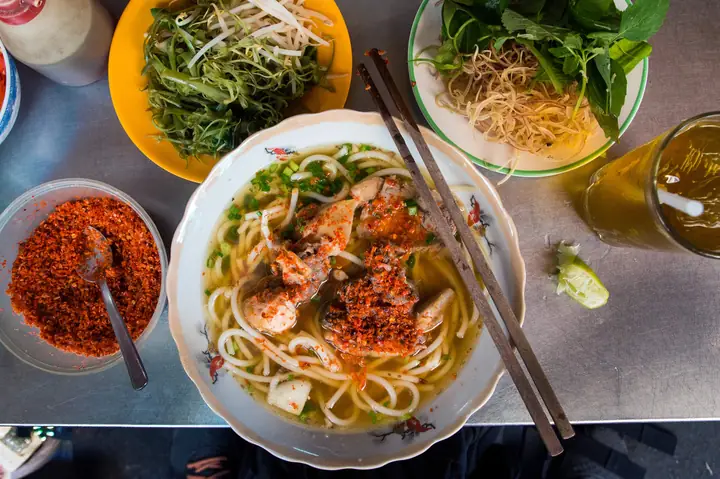
When exploring the best Vietnamese food in Ho Chi Minh, certain dishes stand out as absolute must-tries for any food lover. Pho, the iconic Vietnamese noodle soup, reigns supreme as the country’s most famous culinary export. In Ho Chi Minh City, you’ll find countless variations of this beloved dish, from the traditional beef pho (pho bo) to chicken pho (pho ga). The secret lies in the patiently simmered broth, which can take up to 12 hours to achieve its rich, aromatic depth. Street vendors and restaurants alike serve this comforting dish throughout the day, often enhanced with fresh herbs, lime wedges, and chili for those who prefer a bit of heat.
Banh mi, the Vietnamese sandwich, represents a perfect fusion of French and Vietnamese culinary traditions. This portable feast features a crispy baguette filled with various ingredients including grilled meats, pate, pickled vegetables, cilantro, and chili. Each banh mi stand has its own unique recipe, making it an adventure to sample different versions across the city. From simple egg or tofu fillings to elaborate combinations of multiple meats and toppings, banh mi offers a satisfying meal at an affordable price.
Com tam, or broken rice, is another quintessential Ho Chi Minh City dish that locals enjoy daily. This humble yet delicious meal consists of fragrant broken rice served with grilled pork chops, shredded pork skin, egg, and various accompaniments like pickled vegetables and fish sauce. The combination of textures and flavors creates a satisfying balance that has made com tam a breakfast and lunch favorite among city residents.
For those seeking something more substantial, hu tieu (Vietnamese noodle soup) offers a lighter alternative to pho, often featuring pork or seafood in a clear, flavorful broth. Goi cuon (fresh spring rolls) provide a refreshing option, with rice paper wrappers enclosing shrimp, pork, herbs, and vermicelli noodles, typically served with a peanut or fish sauce dipping mixture. These dishes represent just the beginning of Ho Chi Minh City’s diverse culinary offerings, each telling a story of Vietnamese culture, history, and the art of balancing flavors.
Hidden Gems: Local Eateries Serving Authentic Vietnamese Cuisine
Beyond the well-known tourist spots, Ho Chi Minh City harbors numerous hidden gems where locals gather to enjoy authentic Vietnamese cuisine. Bun cha Huong Lien, affectionately known as “Bun Cha Obama” after the former U.S. President’s visit, offers an unassuming yet exceptional dining experience. This family-run restaurant in District 1 serves traditional Hanoi-style bun cha, featuring grilled pork patties and slices served with rice noodles, herbs, and a tangy dipping sauce. The atmosphere is simple but welcoming, and the food speaks volumes about Vietnamese culinary heritage.
Com Tam Ba Ghien in District 3 has earned legendary status among locals for its consistently excellent broken rice dishes. This no-frills establishment serves generous portions of perfectly grilled pork chop, fragrant broken rice, and all the traditional accompaniments. The secret to their success lies in their meticulous attention to detail, from the quality of their ingredients to their precisely balanced fish sauce recipe. Despite its popularity, the restaurant maintains its humble charm and reasonable prices, making it a true local favorite.
For those seeking exceptional pho, Pho Hoa Pasteur on Pasteur Street has been serving some of the city’s best noodle soup for decades. This establishment has perfected the art of slow-simmered broth, creating a rich, aromatic base that forms the foundation of their outstanding pho. The restaurant’s longevity and consistent quality have made it a destination for both locals and discerning visitors who seek authentic Vietnamese flavors.
Quan An Ngon in District 1 offers a different experience, bringing together traditional dishes from various regions of Vietnam under one roof. This spacious restaurant features an open kitchen where diners can watch chefs prepare everything from delicate spring rolls to complex regional specialties. The menu showcases the diversity of Vietnamese cuisine, making it an excellent choice for visitors wanting to sample multiple dishes in a comfortable setting. Each of these establishments represents the heart of Ho Chi Minh City’s food culture, where quality ingredients, traditional techniques, and genuine hospitality create unforgettable dining experiences.
Street Food Adventures: Discovering Ho Chi Minh’s Culinary Underbelly
Có thể bạn quan tâm: Khám Phá Phường 9 Quận 3: Trái Tim Của Sài Gòn Cổ Kính Và Hiện Đại
The true soul of Ho Chi Minh City’s cuisine reveals itself in its vibrant street food scene, where eb5investors.vn has discovered some of the most authentic and exciting culinary experiences. As the sun sets over the city, street vendors transform ordinary sidewalks into bustling open-air restaurants, each specializing in their unique craft. Banh xeo, crispy Vietnamese pancakes filled with shrimp, pork, and bean sprouts, sizzle on hot griddles throughout the city, particularly in the Ben Thanh area. These golden, crispy delights are typically wrapped in lettuce leaves and herbs, then dipped in a flavorful nước chấm sauce.
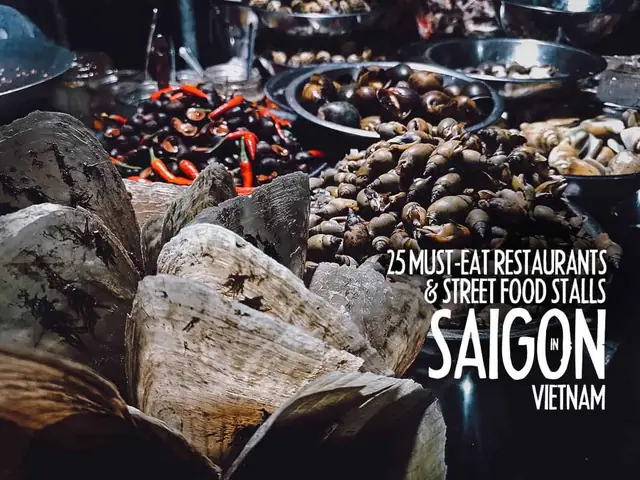
Night markets throughout Ho Chi Minh City offer an overwhelming array of choices for adventurous eaters. Ben Thanh Night Market remains one of the most popular destinations, where visitors can sample everything from grilled meats on skewers to exotic fruits and traditional Vietnamese desserts. Grilled scallops (hau nuong) are a particular favorite, cooked right at the stall with a savory mixture of garlic, shallots, and spring onions. The experience of watching these dishes prepared fresh before your eyes adds to their appeal and ensures maximum freshness.
For those seeking something more adventurous, ca phe trung (egg coffee) provides a unique Vietnamese twist on a familiar beverage. This creamy, rich coffee drink, originally from Hanoi but widely available in Ho Chi Minh City, features a frothy egg yolk and condensed milk topping that creates a custard-like texture. Street vendors prepare this indulgent treat tableside, creating a spectacle as they whip the ingredients to perfection. Similarly, che, a traditional Vietnamese sweet dessert soup, comes in countless varieties and is often sold by street vendors in small, portable cups.
The street food scene in Ho Chi Minh City operates on a rhythm of its own, with different specialties appearing at various times of day. Early mornings bring fresh xoi (sticky rice) vendors, while late-night offerings include com hen (rice with clams) and mien luon (vermicelli with eel). Navigating this culinary landscape requires an adventurous spirit and an empty stomach, but the rewards are some of the most authentic and memorable food experiences the city has to offer.
Fine Dining Experiences: Modern Vietnamese Cuisine at Its Best
While street food represents the heart of Vietnamese cuisine, Ho Chi Minh City also boasts an impressive array of fine dining establishments that elevate traditional flavors to new heights. Anan Saigon, located in the heart of District 1, has gained international recognition for its innovative approach to Vietnamese cuisine. Chef Peter Cung transforms classic dishes like banh mi and bun cha into sophisticated culinary creations, presenting them with modern techniques and artistic flair. The rooftop bar offers not only exceptional cocktails but also stunning views of the city’s skyline, making it a perfect destination for both food and ambiance.
Nhà hàng Út Trang in District 7 represents another facet of Ho Chi Minh City’s fine dining scene, specializing in high-quality seafood prepared with traditional Vietnamese methods. This upscale establishment sources the freshest ingredients daily, serving dishes like steamed fish with ginger and scallions, or grilled lobster with tamarind sauce. The elegant setting and impeccable service make it a popular choice for business dinners and special occasions, while maintaining the authentic flavors that define Vietnamese cuisine.
Chanh Urban Bistro in District 2 offers a contemporary take on Vietnamese street food, presenting familiar dishes in an upscale setting. The menu features items like wagyu beef pho, duck confit banh mi, and lobster spring rolls, all prepared with premium ingredients while respecting traditional flavor profiles. The restaurant’s modern decor and extensive wine list cater to an international clientele while remaining true to its Vietnamese roots.
For those seeking a truly unique dining experience, The Refinery in District 1 specializes in molecular gastronomy with a Vietnamese twist. This avant-garde restaurant transforms traditional ingredients and techniques into visually stunning and flavor-packed dishes. From spherified fish sauce pearls to deconstructed spring rolls, each plate tells a story of Vietnamese culinary heritage reinterpreted through modern techniques. These fine dining establishments demonstrate that Vietnamese cuisine can be both sophisticated and deeply rooted in tradition, offering visitors a chance to experience the country’s culinary heritage in an elevated setting.
Vegetarian and Vegan Options: Plant-Based Delights in Ho Chi Minh City
Ho Chi Minh City has emerged as a surprisingly welcoming destination for vegetarians and vegans, with a growing number of restaurants dedicated to plant-based cuisine. The Veggie Saigon in District 3 has become a beloved institution among both locals and visitors seeking meat-free alternatives. This cozy restaurant offers an extensive menu featuring vegan versions of traditional Vietnamese dishes, including pho with mushroom broth, banh mi with plant-based meats, and fresh spring rolls with tofu. The quality and creativity of their dishes have made it a go-to spot for those following a plant-based lifestyle.
Veggie Food in District 1 specializes in Buddhist-style vegetarian cuisine, offering dishes that are not only meat-free but also exclude garlic, onions, and other strong-smelling ingredients according to traditional Buddhist dietary practices. The menu features elaborate mock meat dishes made from soy protein, wheat gluten, and mushrooms, all designed to replicate the textures and flavors of their meat-based counterparts. This restaurant demonstrates the sophistication and variety possible within a vegetarian framework.
For those seeking a more health-conscious approach, Beatroot in District 2 offers a modern, Western-influenced menu with plenty of vegan and vegetarian options. The restaurant focuses on fresh, organic ingredients and creative combinations, such as quinoa bowls with turmeric dressing, vegan burgers, and smoothie bowls packed with superfoods. The bright, airy atmosphere and commitment to quality ingredients make it a popular choice among health-conscious diners.
Có thể bạn quan tâm: Top 4 Buffet Hải Sản Đồ Sơn Hải Phòng Ngon Nức Tiếng, Giá Cả Hợp Lý
Traditional Vietnamese cuisine naturally lends itself to vegetarian adaptations, with many dishes already featuring abundant vegetables, herbs, and tofu. Com chay (vegetarian rice) restaurants can be found throughout the city, particularly near Buddhist temples, offering affordable and satisfying meals. These establishments typically serve a variety of dishes including stir-fried vegetables, tofu preparations, and vegetable soups, all seasoned with traditional Vietnamese flavors. The growing availability of plant-based options in Ho Chi Minh City reflects both the city’s modernization and its respect for traditional dietary practices.
Regional Specialties: Tasting Vietnam’s Diverse Culinary Heritage
Ho Chi Minh City serves as a culinary melting pot where regional specialties from across Vietnam come together, offering visitors a comprehensive taste of the country’s diverse food heritage. Bun bo Hue, originally from the imperial city of Hue in central Vietnam, has found a devoted following in Ho Chi Minh City. This spicy beef noodle soup features thick rice noodles in a rich, aromatic broth flavored with lemongrass and chili oil. The dish’s distinctive red color and complex flavors set it apart from the more widely known pho, showcasing the bold seasoning preferences of central Vietnamese cuisine.
From the northern region, bun cha has gained popularity in Ho Chi Minh City, bringing with it the delicate balance of flavors characteristic of Hanoi’s culinary traditions. This dish features grilled pork served with rice noodles, fresh herbs, and a sweet-and-sour dipping sauce. The contrast between the smoky grilled meat and the fresh, fragrant herbs creates a harmonious blend of textures and tastes that represents the sophistication of northern Vietnamese cooking.
The Mekong Delta region contributes its own unique flavors to Ho Chi Minh City’s food scene, with dishes like hu tieu Nam Bo (southern-style rice noodles) and canh chua (sour soup) becoming local favorites. These dishes often feature freshwater fish, tamarind, and a variety of herbs and vegetables, reflecting the agricultural abundance of southern Vietnam. The use of coconut milk and palm sugar in many southern dishes creates a distinctive sweetness that differentiates them from the more savory northern and central cuisines.
Ho Chi Minh City’s position as Vietnam’s largest urban center has made it a destination where chefs from all regions bring their culinary expertise. This has resulted in a unique food culture where traditional recipes are preserved while also adapting to local tastes and ingredient availability. Visitors can experience this diversity by visiting specialized restaurants that focus on particular regional cuisines or by exploring the city’s numerous food markets, where ingredients from all over Vietnam come together to create an unparalleled culinary tapestry.
Seasonal Specialties and Festive Foods in Ho Chi Minh City
Ho Chi Minh City’s food culture is deeply intertwined with the seasons and traditional festivals, offering unique culinary experiences throughout the year. During Tet Nguyen Dan (Lunar New Year), the city transforms with special foods that carry symbolic meanings and bring good fortune for the coming year. Banh chung and banh tet, sticky rice cakes filled with mung bean and pork, become ubiquitous as families gather to prepare these traditional treats. The process of making these cakes is as important as eating them, representing family unity and respect for ancestors.
The Mid-Autumn Festival brings a different array of seasonal specialties to Ho Chi Minh City’s streets and markets. Banh trung thu (mooncakes) appear in both traditional and modern varieties, from the classic lotus seed paste and salted egg yolk versions to innovative fillings like durian, matcha, and even ice cream. The festival’s association with children is reflected in the elaborate lantern displays and the tradition of giving mooncakes as gifts, symbolizing completeness and family togetherness.
During the hot summer months, Ho Chi Minh City residents turn to cooling dishes and beverages to beat the heat. Che varieties become particularly popular, with refreshing options like che ba mau (three-color dessert) and che sap (durian dessert) providing both sustenance and relief from the tropical climate. Fresh fruit, particularly mango, dragon fruit, and rambutan, feature prominently in seasonal desserts and snacks.
The rainy season brings its own culinary traditions, with hot, comforting dishes becoming favorites. Lau (Vietnamese hot pot) becomes a popular choice for family gatherings, allowing diners to cook a variety of meats, seafood, and vegetables in a simmering pot of flavorful broth. The communal nature of hot pot dining makes it perfect for the cooler, rainy evenings that occasionally grace Ho Chi Minh City. These seasonal specialties not only satisfy hunger but also connect residents and visitors alike to Vietnam’s rich cultural traditions and the natural rhythms of the tropical climate.
Where to Find the Best Vietnamese Coffee and Tea Culture
Ho Chi Minh City’s coffee and tea culture represents a fascinating blend of French colonial influence and Vietnamese ingenuity, creating a unique beverage tradition that’s integral to daily life. Ca phe sua da (iced coffee with condensed milk) remains the most iconic Vietnamese coffee preparation, with countless cafes throughout the city perfecting their own versions. The strong, dark coffee brewed through a metal phin filter creates a rich, intense flavor that pairs perfectly with the sweetness of condensed milk and the refreshing coolness of ice.
Có thể bạn quan tâm: Bản Đồ Cần Thơ Mới Nhất 2025: Tổng Hợp 103 Đơn Vị Hành Chính Cấp Xã
For those seeking a more modern coffee experience, The Workshop Coffee in District 1 has gained a reputation for serving some of the best specialty coffee in the city. This third-wave coffee shop sources high-quality beans from various regions of Vietnam and employs precise brewing methods to highlight the unique characteristics of each origin. The minimalist decor and knowledgeable baristas create an atmosphere more reminiscent of Tokyo or Melbourne than traditional Vietnamese cafes.
Tea culture in Ho Chi Minh City offers its own rich traditions, with tra da (iced green tea) being a ubiquitous presence at restaurants and street food stalls. More elaborate tea experiences can be found at traditional tea houses, where tra sen (lotus tea) and tra o long (oolong tea) are served with proper ceremony. These establishments provide a peaceful retreat from the city’s bustling streets, offering a space for conversation, relaxation, and appreciation of Vietnam’s tea heritage.
The city’s cafe scene has evolved to include innovative fusion drinks that combine traditional Vietnamese ingredients with modern preparation methods. Salt coffee (ca phe muoi), featuring a layer of salted cream on top of strong coffee, has gained popularity for its unique combination of sweet and savory flavors. Similarly, egg coffee (ca phe trung), though originally from Hanoi, has found a devoted following in Ho Chi Minh City, with cafes perfecting their recipes for the creamy, custard-like topping that defines this unusual but delicious beverage.
Budget-Friendly Food Options for Travelers in Ho Chi Minh City
Exploring the best Vietnamese food in Ho Chi Minh doesn’t require a substantial budget, as the city offers incredible value at every price point. Street food remains the most economical way to experience authentic Vietnamese cuisine, with meals available for as little as 20,000-40,000 VND ($1-2 USD). Popular breakfast options like xoi (sticky rice with various toppings) or banh mi can be found at street corners throughout the city, providing filling and delicious meals at minimal cost.
Food courts in shopping malls offer another budget-friendly option, with numerous stalls serving quality Vietnamese dishes at reasonable prices. These modern food courts provide a clean, air-conditioned environment while maintaining the variety and authenticity of street food. Com tam restaurants, particularly in residential areas, serve generous portions of broken rice dishes with all the traditional accompaniments for under 50,000 VND, making them a favorite among students and office workers.
For those seeking a sit-down meal without breaking the bank, family-run restaurants throughout the city’s districts offer excellent value. These establishments typically serve a limited menu of well-prepared dishes, focusing on quality rather than variety. Pho restaurants, in particular, provide excellent value, with steaming bowls of noodle soup available at very reasonable prices. The key to finding these gems is to look for places filled with locals, as they tend to offer the best combination of quality and affordability.
Night markets also provide excellent budget dining options, with vendors offering everything from grilled skewers to fresh fruit and traditional desserts. Ben Thanh Night Market and smaller local markets throughout the city’s districts allow visitors to sample multiple dishes without spending much money. The key to successful budget dining in Ho Chi Minh City is to embrace the local dining culture, be adventurous with street food choices, and follow the crowds of locals who know where to find the best value for money. This approach not only saves money but also leads to more authentic and memorable culinary experiences.
Food Safety and Hygiene Tips for Visitors to Ho Chi Minh City
While exploring the best Vietnamese food in Ho Chi Minh, maintaining food safety should be a priority for visitors. Street food can be perfectly safe if you follow some basic guidelines. Look for vendors with high turnover, as this indicates fresh ingredients and reduces the risk of foodborne illness. Vendors who prepare food to order, rather than keeping it sitting out, are generally safer choices. Observing the vendor’s hygiene practices, such as whether they use gloves or utensils when handling food, can also help you make informed decisions.
Water safety is crucial when dining in Ho Chi Minh City. Always drink bottled water and avoid ice unless you’re confident it was made from purified water. Many restaurants and cafes now use filtered water systems, but it’s always better to ask if you’re unsure. When eating raw vegetables or fruits, make sure they’ve been washed in clean water or, better yet, peel them yourself if possible.
Popular and busy establishments are generally safer choices, as high customer turnover means food is fresher and less likely to cause stomach issues. Restaurants and street food vendors that are packed with locals, especially during peak meal times, are usually reliable options. Cooked food that’s served piping hot is generally safer than cold or room-temperature dishes, as the heat helps kill bacteria.
It’s also wise to pace yourself when trying new foods, especially if you’re not accustomed to Vietnamese cuisine. Start with milder dishes and gradually work your way up to spicier or more adventurous options. Carry some anti-diarrheal medication and probiotics just in case, and listen to your body’s signals. Most importantly, don’t let food safety concerns prevent you from enjoying Ho Chi Minh City’s incredible culinary offerings. By using common sense and following these basic precautions, you can safely enjoy the diverse and delicious foods the city has to offer while minimizing the risk of stomach upset.