
Bún bò Huế, often hailed as one of Vietnam’s most beloved and distinctive noodle soups, is a culinary masterpiece originating from the ancient imperial capital of Huế in central Vietnam. This article serves as a comprehensive introduction to Bún Bò Huế in English, covering its origins, ingredients, flavors, cultural significance, and how to enjoy it.
Có thể bạn quan tâm: Top 15 Công Ty Du Lịch Ở Hải Phòng Uy Tín, Chuyên Nghiệp Nhất
What is Bún Bò Huế?
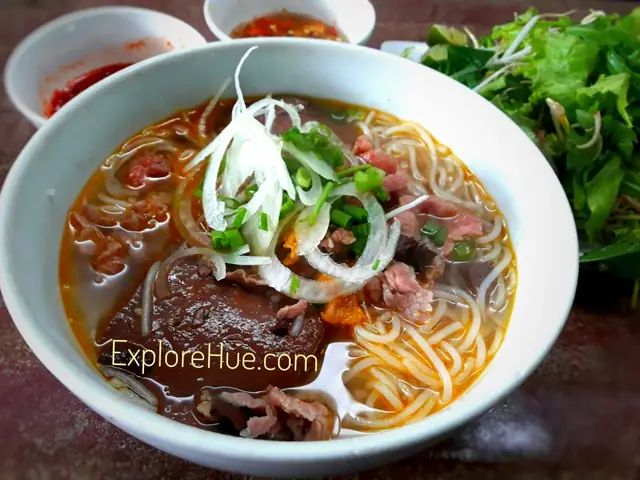
Bún bò Huế is a traditional Vietnamese dish consisting of a rich, aromatic broth, round rice noodles (bún), and a variety of meats, most notably beef (bò) and pork. The dish is renowned for its complex, layered flavor profile, balancing spiciness, saltiness, and a subtle, earthy sweetness. It is a staple of Vietnamese cuisine, found everywhere from humble street stalls to upscale restaurants, both domestically and internationally.
Origins and History
The story of Bún bò Huế is deeply intertwined with the history of the city of Huế itself. Huế served as the imperial capital of Vietnam during the Nguyễn Dynasty (1802–1945). The royal court was known for its sophisticated and refined cuisine, and Bún bò Huế is believed to have evolved from dishes served in the palace.
Legend has it that the dish was created by a palace chef who sought to create a hearty, flavorful meal for the royal family. Over time, the recipe spread beyond the palace walls, becoming a beloved dish among the common people of Huế. It gained popularity across Vietnam and eventually the world, becoming a symbol of Vietnamese culinary heritage.
Key Ingredients and Components
The Broth (Nước Dùng)

Có thể bạn quan tâm: Văn Miếu Tiếng Anh Là Gì?
The heart and soul of Bún bò Huế is its broth. Creating the perfect broth is an art that requires time, patience, and attention to detail.
- Beef Bones (Xương Bò): The foundation of the broth is typically beef bones, often marrow bones, which are roasted to add depth and color.
- Pork Knuckle (Giò Heo): A whole pork knuckle is a signature ingredient, adding a rich, gelatinous texture and a distinct pork flavor that sets Bún bò Huế apart from other Vietnamese noodle soups.
- Lemongrass (Sả): Fresh lemongrass is a crucial aromatic, providing a citrusy, slightly floral note. The stalks are often bruised or smashed to release their oils.
- Shrimp Paste (Mắm Ruốc): This fermented condiment is a defining element of Bún bò Huế. It adds a deep, umami richness and a characteristic pungent aroma. The amount used can vary depending on personal preference and the quality of the paste.
- Chili Oil (Tương Ớt): A vibrant red chili oil is drizzled on top, providing the dish’s signature heat and color. It is often made by infusing oil with dried chilies.
- Spices: Common spices include star anise, cinnamon, and cloves, which contribute to the broth’s complex aroma.
The Noodles (Bún)
The noodles used in Bún bò Huế are round, thin rice noodles, similar to those used in other Vietnamese dishes like Bún thịt nướng. They are typically served fresh and have a slightly chewy texture.
The Meats (Thịt)
- Beef (Bò): Thinly sliced beef is a common topping. It can be raw beef that cooks in the hot broth (bò tái) or pre-cooked beef (bò chín).
- Pork Knuckle (Giò Heo): As mentioned, the pork knuckle is a defining feature. It is boiled until tender and then sliced.
- Pork Blood Cake (Huyết): Cubes of pork blood cake are a traditional addition, adding a unique texture and a deep, iron-rich flavor.
- Pork Sausage (Chả Lụa): Thinly sliced Vietnamese pork sausage adds a sweet, savory element.
The Garnishes (Rau)
A generous assortment of fresh herbs and vegetables is essential for balancing the rich broth and adding freshness.
- Banana Blossom (Bắp Chuối): Thinly sliced banana blossom provides a crisp, slightly bitter contrast.
- Bean Sprouts (Giá): Fresh bean sprouts add crunch and freshness.
- Fresh Herbs: Common herbs include Thai basil, perilla leaves, and cilantro.
- Lime Wedges (Chanh): A squeeze of lime juice brightens the flavors and cuts through the richness.
- Chili Peppers: Fresh bird’s eye chilies are often served on the side for those who want extra heat.
Distinctive Flavors and Characteristics
Bún bò Huế is characterized by its bold, robust flavors. The broth is rich and savory, with a noticeable depth from the shrimp paste and a lingering heat from the chili oil. The combination of beef and pork creates a complex meaty flavor, while the fresh herbs and lime provide a bright, refreshing contrast. The dish is often described as “hearty” and “satisfying,” making it a popular choice for breakfast, lunch, or dinner.

Có thể bạn quan tâm: Miền Nam Từ Đâu Đến Đâu: Khái Quát Địa Lý, Lịch Sử Và Văn Hóa
How to Eat Bún Bò Huế
Eating Bún bò Huế is an interactive experience. The dish is typically served with a plate of fresh herbs and vegetables on the side. Diners are encouraged to customize their bowl by adding their preferred garnishes. A common way to eat it is to squeeze a wedge of lime into the broth, add some herbs and vegetables, and then enjoy the soup with chopsticks and a spoon.
Bún Bò Huế vs. Other Vietnamese Noodle Soups
While Bún bò Huế shares some similarities with other Vietnamese noodle soups, it has several distinct features:
- Broth: The broth is richer, spicier, and more complex than Pho, with a more pronounced pork flavor due to the pork knuckle.
- Noodles: It uses round rice noodles (bún), while Pho uses flat rice noodles (bánh phở).
- Shrimp Paste: The use of shrimp paste is unique to Bún bò Huế and gives it a distinctive aroma and flavor.
- Pork Knuckle: The inclusion of pork knuckle is a defining characteristic.
Cultural Significance
Bún bò Huế is more than just a meal; it is a symbol of Huế’s culinary heritage and a source of pride for the Vietnamese people. It represents the city’s history, its royal past, and its unique culinary traditions. The dish is often served at special occasions and celebrations, and it is a popular choice for tourists seeking an authentic taste of Vietnam.
Where to Find Bún Bò Huế
Bún bò Huế is widely available throughout Vietnam, from street-side stalls to high-end restaurants. In recent years, it has gained popularity internationally, with restaurants serving it in major cities around the world. Many Vietnamese communities abroad have embraced the dish, making it a familiar and beloved part of their culinary landscape.
Có thể bạn quan tâm: Game Trốn Thoát Khỏi Căn Phòng: Trải Nghiệm Căng Thẳng Và Thú Vị
Making Bún Bò Huế at Home
While making Bún bò Huế at home can be a time-consuming process, it is a rewarding experience for those who enjoy cooking. The key is to take your time with the broth, allowing the flavors to develop and meld together. There are many recipes available online and in cookbooks, each with its own variations and secrets.
Conclusion
Bún bò Huế is a truly unique and delicious dish that offers a glimpse into the rich culinary traditions of Vietnam. Its complex flavors, hearty ingredients, and cultural significance make it a must-try for anyone interested in Vietnamese cuisine. Whether enjoyed at a bustling street stall in Huế or a cozy restaurant in a foreign city, Bún bò Huế is a dish that is sure to leave a lasting impression.
A Simple Recipe for Bún Bò Huế (Simplified Version)
While a traditional Bún bò Huế recipe can be quite complex, here is a simplified version to give you a taste of the dish:
Ingredients:
- Beef bones
- Pork knuckle
- Lemongrass
- Shrimp paste
- Chili oil
- Round rice noodles
- Beef slices
- Pork blood cake (optional)
- Fresh herbs (Thai basil, perilla, cilantro)
- Banana blossom
- Bean sprouts
- Lime wedges
Instructions:
- Roast the beef bones and pork knuckle.
- Simmer the bones and knuckle in water for several hours.
- Add lemongrass, shrimp paste, and spices to the broth.
- Strain the broth and adjust the seasoning.
- Cook the noodles according to package directions.
- Assemble the bowls with noodles, meat, and garnishes.
- Ladle the hot broth over the ingredients.
- Serve with chili oil and lime wedges on the side.
This simplified recipe is just a starting point. The true art of Bún bò Huế lies in the details and the personal touches that each cook adds to their recipe.